

Index
- Why does the color of fabrics fade after dyeing?
- How to fix color with vinegar or salt
- How to wash hand-dyed clothes to avoid fading
- Common causes of fading and how to avoid them
- Fix irregular stains and uneven color
- Maintaining dyed fabrics over time
- Conclusion
Last updated: August 13, 2026
Why does the color of fabrics fade after dyeing?
Fabric color fades when the dye doesn't properly bind to the fibers. This happens for a variety of reasons: improper water temperature, lack of fixing agents, insufficient rinsing, or the type of fiber. The key to avoiding fading is understanding how the fixing process works: the dye requires time, heat, and often a specific chemical to bind to the fibers. Without these elements, the dye remains on the surface and washes away quickly.
Aybel offers a wide range of dyes and fixing agents to help solve these common problems, allowing even beginners to achieve professional results at home.
The role of water temperature in color fixation
Water temperature is one of the most important factors in textile dyeing. Most synthetic dyes require hot water, around 60-80°C, to achieve good color saturation and ensure proper fixation. Reactive dyes, for example, chemically bind to the fibers during heating, creating a permanent bond. If the water doesn't reach the right temperature, this chemical reaction won't complete and the color will fade.
A common mistake is to use cold water to save energy. The actual cost of re-dyeing is much higher than the initial energy savings.
How Lack of Fixative Causes Fading
A fixative is a chemical agent that stabilizes the bond between the dye and the fiber. Without an appropriate fixative, the dye remains weakly bound and comes off during subsequent washes. Not all dyes require the same type of fixative: cotton requires soda ash or a specialized fixative, wool uses vinegar, and silk uses a different process.
Fiske's Aybel Fixing Agent has been formulated to work effectively on a wide range of natural and semi-synthetic fibers. At just €4.99, this professional fixing agent can be used in both the washing machine and by hand, making it a practical and economical solution for anyone who wants to avoid color fading.

How to fix color with vinegar or salt
The traditional method for fixing dye to fabrics involves using vinegar or salt, two inexpensive ingredients that work well for many types of natural fibers. L works by lowering the pH of the water, creating an acidic environment that helps the dye bind to the fibers better. Salt helps the dye settle on the fibers through a chemical process known as salting.
Vinegar method:
- After the initial dyeing, rinse the garment with cold water until the water runs clear.
- Make a solution with 1 part white vinegar and 4 parts cold water
- Soak the garment in the solution for 30 minutes
- Rinse again with cold water
- Let it dry
Salt method:
- During the final rinsing phase, prepare a solution with salt and cold water (about 1 tablespoon of salt per liter)
- Soak the garment for 15-20 minutes
- Rinse once with cold water
- Let it dry
Soda ash and urea: chemical agents for fixing
Sodium carbonate (baking soda) and urea are more powerful chemicals than vinegar and salt, particularly effective for reactive and synthetic dyes. Sodium carbonate works by raising the pH of the water, allowing the reactive dyes to covalently bind to the fibers. L helps the dye penetrate deeper into the fibers, ensuring a more uniform and long-lasting color. With soda ash, the color remains vibrant after 10-15 washes; without it, it begins to visibly fade after the second or third wash.
The role of heating in color fixation
Heat is essential for color fixation, the chemical process by which the dye forms stable bonds with the fibers. When you heat the water containing the dyed garment, you provide the energy needed for the dye molecules to bind to the fiber molecules. This is why instructions often recommend keeping the garment in hot water for 30-45 minutes: this is the time needed for the chemical reaction to complete.
How to wash hand-dyed clothes to avoid fading
The first wash is crucial. It's when the garment loses the most excess dye, and if you don't do it properly, the color will continue to fade in subsequent washes.

Steps for the first hand wash:
- Fill a sink or basin with cold water
- Add a small amount of mild detergent
- Immerse the garment and agitate gently for 5-10 minutes
- Empty the water and rinse with cold water
- Repeat the rinse until the water runs clear.
- Squeeze gently and let dry
The key is to use cold water for all initial rinses. Hot L opens the pores of the fiber and allows the dye to come out more easily.
The correct rinse: eliminating dye residue
Rinsing is the step many people don't spend enough time on. The dye residue on the surface of the fabric isn't bonded to the fibers and will continue to come off during each subsequent wash. If the water still comes out slightly colored after the fourth or fifth rinse, continue rinsing. When the water runs completely clear, you've removed most of the excess dye.
Cold water vs. hot water: which to choose?
For the first wash and rinses, cold water is always the best choice. Hot L opens the fiber cuticle, allowing the dye to come out more easily. After the first wash, you can use slightly warm water for subsequent washes, but the colder the water, the better for preserving the color over time.
Common causes of fading and how to avoid them
Color fading is often the result of a combination of factors. Understanding the most common causes will help you avoid them.
| Cause | Solution | Impact |
|---|---|---|
| Water too hot | Always use cold water for the first wash | Reduces fading by 70% |
| Lack of fixative | Use Aybel Fiske Fixing Agent or vinegar | Increases color fastness by 5-10 times |
| Insufficient rinsing | Rinse until the water runs clear | Removes 90% of excess dye |
| Sun exposure | Dry your clothes in the shade | Prevents UV fading |
| Detergent too strong | Use a gentle cleanser | Reduces color loss during washing |
Fiber type and color absorption
Not all fibers absorb dye equally. Cotton is the easiest fiber to dye due to its porous structure. Silk is more delicate and requires lower temperatures and gentler processes. Wool absorbs dye very well but can shrink if exposed to too high temperatures. Synthetic fibers like polyester have a very dense structure and do not absorb dye equally, which is why many standard dyes don't work on fully synthetic fabrics.
Color transfer on first wash
Dye transfer during the first wash occurs when excess dye comes off the dyed garment and transfers to other garments. The best way to avoid this is to wash it separately for the first time, by hand if possible, in cold water. If the garment is still bleeding heavily after the first wash, repeat the process a second time. Another method is to add a commercial fixative to the water in the first wash.
Fix irregular stains and uneven color
Uneven stains and uneven color are often the result of uneven dyeing during the initial dyeing process. This happens when the garment wasn't agitated enough during dyeing or when the dye wasn't given enough time to penetrate evenly.
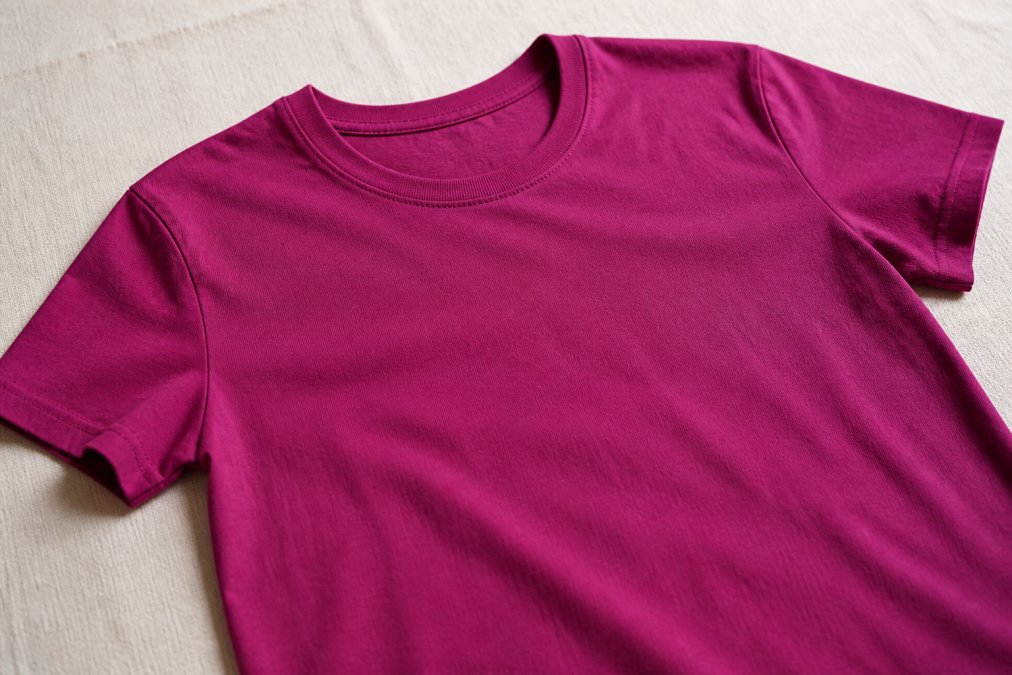
If you notice uneven stains, the best way to fix them is to dye them again, making sure to shake the garment frequently during the process. Pre-wetting the garment before dyeing helps the dye penetrate more evenly. Keep the temperature as constant as possible throughout the dyeing process.
Maintaining dyed fabrics over time
Once you've successfully dyed your garment, adopt good washing and storage habits to preserve the color for as long as possible.
Tips for long-term maintenance:
- Wash dyed garments inside out to protect the color surface.
- Always use cold water for subsequent washes
- Use a gentle detergent specifically for colored clothes
- Dry your clothes in the shade, never in direct sunlight.
- Avoid the dryer
- Store garments in a cool, dry place, away from direct light.
Sun L is one of the biggest enemies of color, as UV rays degrade the dye molecules over time. Pool chlorine and other chemicals can also fade the color.
Conclusion
Color fading isn't inevitable. With the right combination of water temperature, fixing agents , proper rinsing, and good washing habits, you can keep your dyed garments vibrant for years. Aybel Fiske Fixing Agent (€4.99) is a professional solution that stabilizes the bond between the dye and the fiber, significantly reducing fading over time. Whether you're dyeing cotton, silk, wool, or semi-synthetic fibers, Aybel fixing agents guarantee long-lasting results and vibrant colors that stand up to repeated washing.
Frequently Asked Questions
How to fix the color on fabrics after dyeing?
After dyeing, fix the color using chemicals like sodium carbonate or urea, or traditional methods with vinegar or salt. Heat the fabric in hot water for 20-30 minutes to help the color set. Use a professional fixative like Aybel Fiske ($4.99) for best results. Heating is essential because it allows the dye molecules to permanently bind to the fibers.
Why does the color of my clothes keep fading during washing?
Color fades when the rinse isn't done properly, when an inadequate fixative isn't used, or when the water temperature during dyeing is too low. Unfixed dye residue comes off the fibers during subsequent washes. Always use cold water for the first few washes and apply a fixing agent to prevent color migration.
What is the role of salt in the fabric dyeing process?
Salt acts as a natural fixing agent that helps dye molecules bind to textile fibers. Adding salt to the dyeing water, especially for fiber-reactive dyes, improves dye absorption and reduces color loss in subsequent washes. For professional results, combine salt with other fixing agents such as sodium carbonate or specific products.
What are the common mistakes that cause color loss in dyed fabrics?
Common mistakes include: insufficient rinsing (not removing all dye residue), using hot water for the first few washes (which causes color migration), lack of chemical fixative, dyeing temperatures that are too low, and excessive agitation during the process. Avoid these mistakes by following precise instructions and using professional products like Aybel to ensure colorfastness.
This article was written using GrandRanker